How Modular Solutions Improve In-Plant Office Facilities
Traditional construction methods are often costly and disruptive in manufacturing environments. Discover how versatile and rapidly deployable modular in-plant office facilities can revolutionize your layout, improve workflow, and provide the agile workspace your vital operations need to thrive.
Key Takeaways
- In-plant modular offices deliver clean, quiet, and focused workspaces directly on the production floor, ensuring teams can effectively execute planning, control, and quality.
- Manufacturing facilities can eliminate the delay and disruption of on-site construction with modular offices that are rapidly installed and easily reconfigured to adapt to evolving facility layouts.
- Modular in-plant office facilities grant managers immediate access and maximum visibility essential for high-speed production control and quick decision-making.
3 Pillars of Successful Operations in Manufacturing
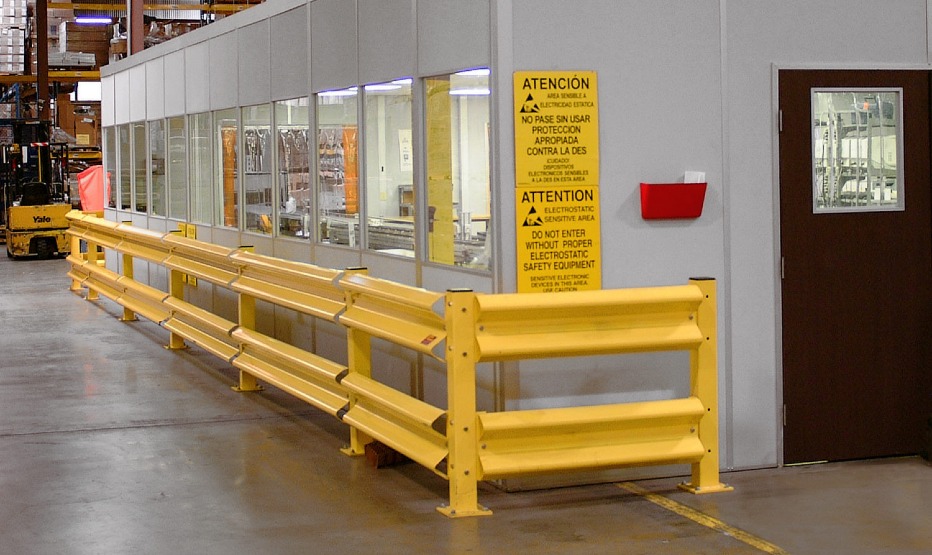
Manufacturing is the backbone of the modern world, turning steel, plastic, and other raw materials into the essential products we use every day.
Yet, for an organization's "engine room" to run at peak performance, every part of the facility—even the in-plant office buildings—must be optimized for efficiency and flexibility.
To ensure a manufacturing facility is truly resilient, agile, and capable of handling future market disruptions, it must first master the core processes that drive daily output. This mastery is built upon three fundamental, non-negotiable operational functions—production planning, production control, and quality control.
These pillars demand clarity, focus, and precision, and they cannot afford to be compromised by the noise, distraction, or chaos of the production floor. Achieving peak performance means safeguarding and optimizing the environment where these critical activities take place.
1. Production Planning
Why It’s Important:
- Lays the groundwork for how production should run.
- Essential for identifying weak spots and maximizing efficiency.
The first pillar involves proactive planning, which focuses on fixing underlying vulnerabilities and improving manufacturing operations. Production planning is a modern necessity that lays the organizational foundation for production flow.
Modular in-plant office facilities provide adaptable workspaces that help manufacturers execute production planning and ensure planners and supervisors are as efficient as the machinery.
2. Production Control
Why It’s Important:
- Represents the operations running at peak efficiency.
- Requires a watchful eye over staff, raw materials, and the functionality of machinery.
- Managers need strategic, clear visibility to make adjustments quickly and effectively.
The next pillar is production control, a crucial phase that is managed by the facilities team, whose role extends far beyond simple supervision. They are responsible for multifaceted tasks that include managing staff, tracking the supply of raw materials, and ensuring the complex machinery remains fully functional.
This constant, high-stakes monitoring requires managers to be agile and responsive, often needing to move between the control room and the shop floor instantly. Modular in-plant office facilities provide a dedicated, strategically located workspace for this essential work.
3. Quality Control
Why It’s Important:
- Ensures compliance with all standards and specifications.
- Reduces safety risks, monitors costs, and preserves resources.
- Breakdowns in QC can lead to costly recalls and reputational damage.
The final pillar, quality control (QC), is far more than just checking boxes—it is the final, non-negotiable step that ensures all products meet the set standards and specifications. Too much is at stake for this division to ever become complacent or overlooked.
A dangerous error can swiftly damage or even ruin a company’s hard-earned reputation. This makes the environment where quality control work happens absolutely critical. Modular manufacturing offices can provide areas that are stable, dedicated, and free from the noise and distraction of the production floor.
Types of Manufacturing Environments
The manufacturing industry is an incredibly broad category, creating everything from the clothes we wear to the cars we drive. Consequently, the work environment and facility conditions are entirely dependent on the products being made.
While each facility is unique in its processes, they all share the fundamental need for well-structured operations. Below, we’ve broken down some of the primary factory types to illustrate this vast range:
- Petroleum, chemicals, and plastics: This complex production turns raw materials like crude oil into everyday goods such as plastic containers or specialized chemicals like paints and pesticides.
- Clothing and textiles: The fabric industry transforms cotton, wool, and synthetic fibers into essential clothing and home goods, often relying on skilled workers like seamstresses and tailors.
- Food: Spanning both human and animal consumption, this sector includes everything from processing and canning to creating specialized goods, all demanding strict quality and environmental controls.
- Metal: This type of manufacturing includes all products made from aluminum, iron, or steel. Production lines in metal manufacturing often include tasks like forging, stamping, and coating activities.
- Wood and paper: In the wood and paper sector, raw materials are processed to create foundational resources like commercial lumber for building and a multitude of consumer paper products made from refined wood pulp.
- Electronics: A staple of modern society, the assembly of electronics requires highly precise environments for visual components, audio systems, and mechanical parts.
- Automobiles: The original product of the assembly line, modern car manufacturing is highly complex, involving advanced automation and cutting-edge technology to build intricate vehicles.
This diversity extends to many other areas, including the production of metals, wood products, and paper. Regardless of whether a facility is producing high-tech microchips or bulk chemicals, the need for an efficient, adaptable, and well-managed internal operation remains constant.
Why Use Modular In-Plant Office Facilities?
Operational success hinges on your key personnel, such as managers, supervisors, technicians, and engineers, who wear many hats and must switch gears quickly. These workers often face long hours in demanding, sometimes hectic, and noisy environments where focus is critical.
So, how can you effectively support your team and ensure they have the tools to maintain control, plan effectively, and execute flawless quality checks? The answer is providing quality, dedicated office space right within your facility.
Speed and Minimal Disruption
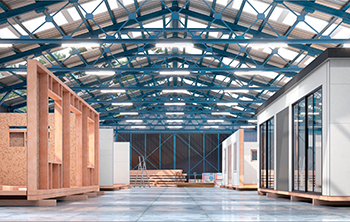
Modular manufacturing offices deliver significant time savings because they are manufactured off-site in a controlled facility. This approach allows for quicker production and delivery, followed by a fast, non-disruptive installation on your factory floor, eliminating the typical noise and chaos associated with traditional on-site construction.
Flexibility and Customization
The core strength of in-plant modular offices lies in their inherent flexibility and customization. They are built precisely to your exact specifications and unique facility needs, ensuring a perfect fit from day one.
Furthermore, this adaptability extends over time, as the units can be easily relocated, reconfigured, or expanded whenever your facility's layout or operational demands shift, future-proofing your workspace investment.
Optimized Workspaces
Modular in-plant office facilities are designed to provide a truly optimized workspace right in the heart of your facility. With critical noise-dampening capabilities, they deliver a clean, quiet, and comfortable environment despite the hectic production floor.
This design also allows for strategic placement right where they are needed most, granting managers maximum visibility and quick access to the action, which is essential for effective production control.
Common Applications For In-Plant Modular Office Buildings
Now that we’ve covered the unique ways modular in-plant office facilities eliminate the hassle of traditional renovations, it’s time to dive deeper into how manufacturers use these solutions. Here are just a few ways manufacturers deploy these flexible, durable structures:
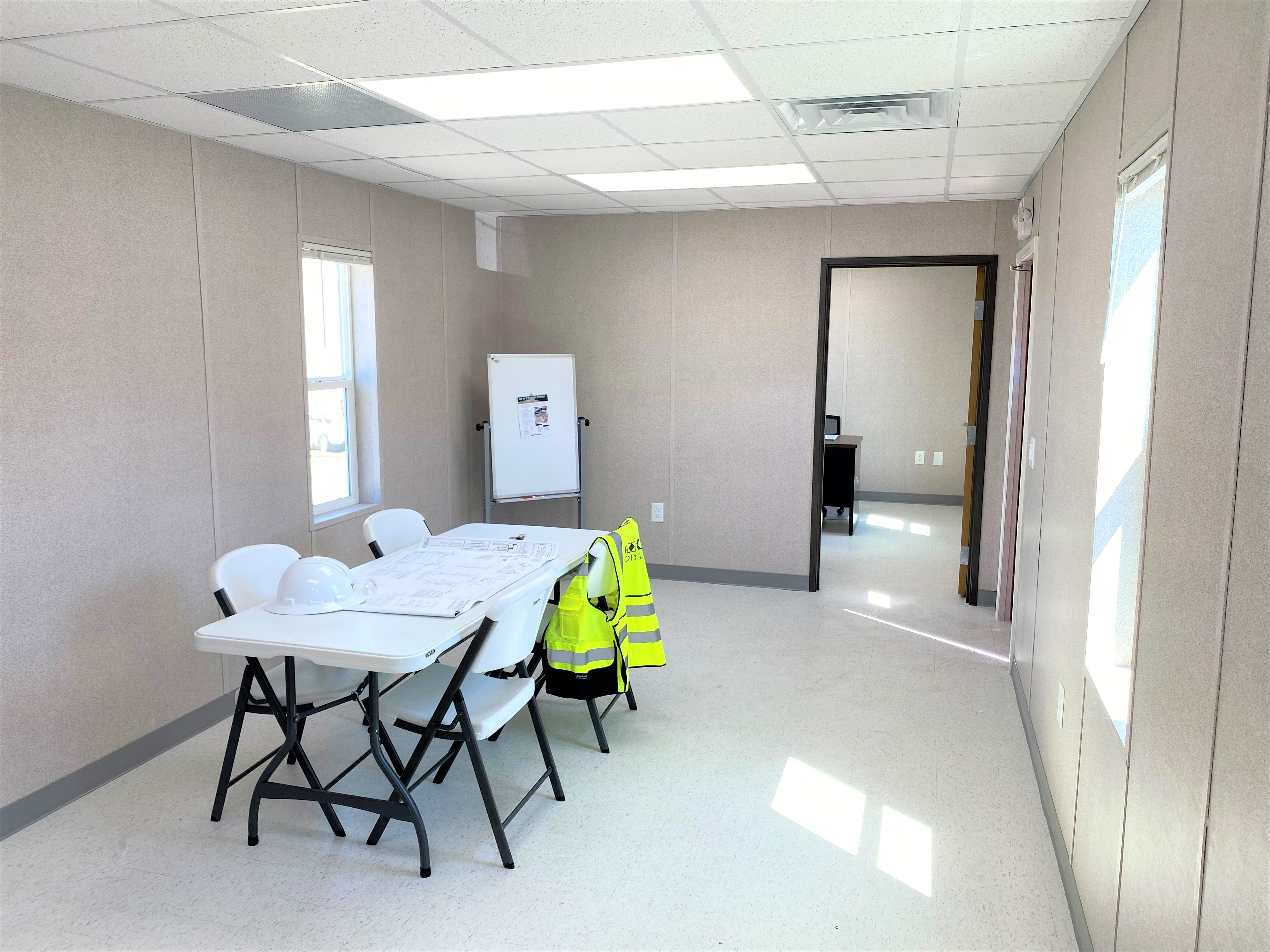
- Control rooms: Offer the necessary quiet and high visibility for constant production monitoring.
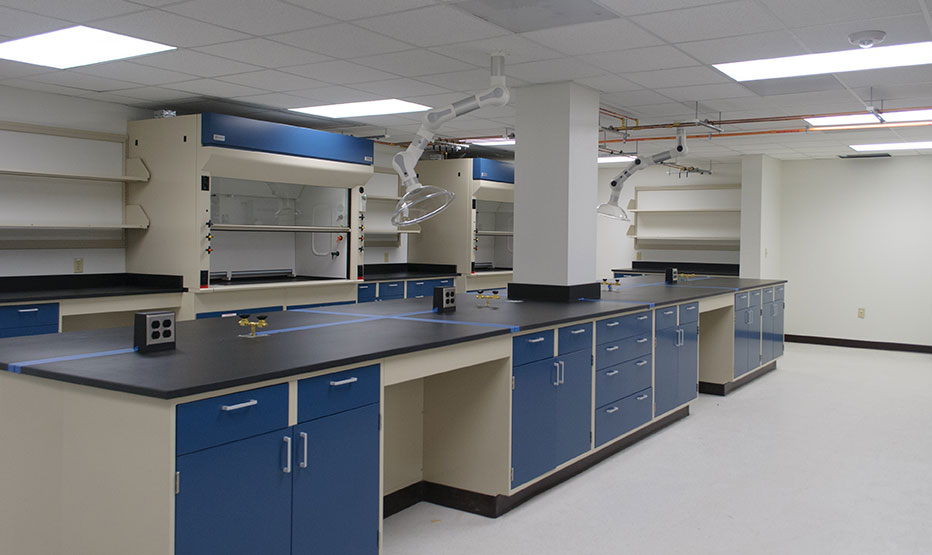
- Laboratories and training rooms: Provide specialized, clean environments for critical tasks.
- Administrative & supervisor offices: Create professional, focused workspaces right at the point of action.
- Break rooms: Allow a necessary separation from the production environment, directly contributing to employee morale, focus, and adherence to safety protocols.
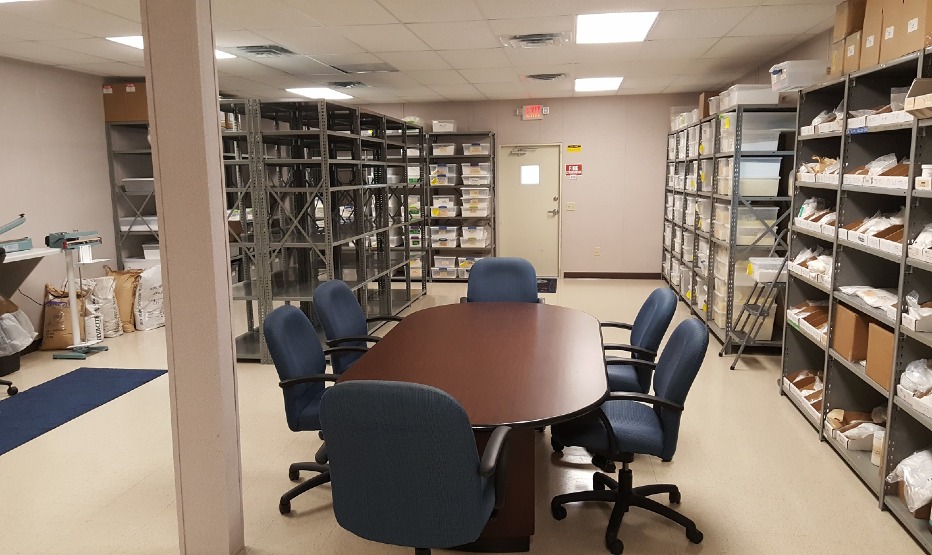
Modular manufacturing offices directly support the core functions of planning, control, and quality by providing focused, dedicated, and adaptable workspaces. The manufacturing world is constantly changing and demanding agility. Your internal facilities should be just as adaptable as your processes.
Have Questions? Get Answers.
We know there are many misconceptions surrounding modular solutions, and if you’re not familiar with the processes, you likely have some questions. Continue reading to discover answers to frequently asked questions about our modular buildings.
At BOXX Modular, we offer both permanent and temporary modular buildings—each built with high-quality materials and a commitment to environmentally conscious practices. While temporary modular buildings effectively address short-term needs, permanent modular construction provides durable solutions for long-term requirements.
Your business has distinct needs, and BOXX is equipped to meet them. We provide options for customizing your modular building, including size, appearance, layout, and materials, ensuring a solution that's uniquely yours. If you have a specific floor plan in mind, let us know and we’ll work with you to meet your exact specifications.
With consistent upkeep, temporary modular buildings can reliably serve their purpose for 25 to 30 years. Furthermore, permanent modular buildings offer a lifespan comparable to conventionally constructed buildings, often lasting 35, 50, or even more years.
Ready to embrace the flexible, efficient future of in-plant modular solutions?
See how our solutions can exceed your modular building needs.


Ready to solve your space needs?
Modular buildings are the way to go. Request a quote or contact us today to get the conversation started. We’d love to talk to you about how modular can meet — and exceed — your needs.
