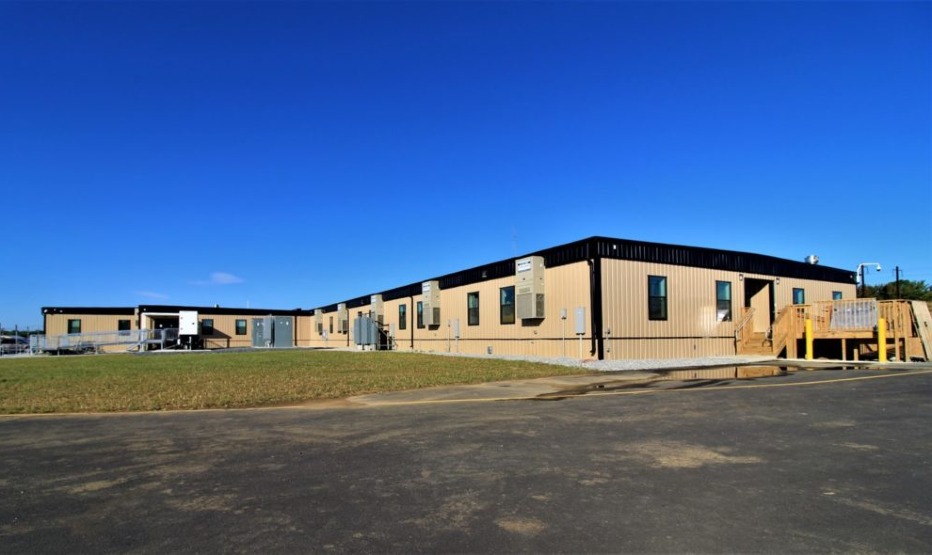
The Strategic Importance of Gulf Coast Modular Buildings
Gulf Coast modular buildings provide a resilient, flexible, and cost-effective alternative. By combining speed of construction, durability, and customizable design, modular buildings help businesses, schools, and industrial sites stay operational, safe, and ready for the future.
Key Takeaways
- Gulf Coast modular buildings are designed to resist hurricanes and high winds.
- Factory-controlled construction reduces long-term wear from storms, humidity, and mold.
- Prefabricated offsite construction accelerates timelines, minimizing delays from weather or labor shortages.
- Offices, classrooms, specialty buildings, and industrial units can be tailored to regional needs.
- Louisiana modular buildings support industrial and educational demands, while Texas modular buildings serve energy, port, and urban growth projects.
- Modular buildings in the Gulf Coast allow businesses and communities to maintain operations even during extreme weather events.
Addressing Gulf Coast Construction Challenges With Modular Solutions
The Gulf Coast, including Louisiana and Texas, presents unique construction challenges: heat, unpredictable storms, flooding, and high humidity. Traditional construction can struggle with delays, cost overruns, and long‑term maintenance in these environments.
Modular buildings in the Gulf Coast offer resilient, adaptable, and quick‑to‑deploy solutions that address these real‑world issues while providing flexible space for a wide range of uses.
Challenge #1: Hurricanes and High Winds
Hurricanes and tropical storms can bring winds exceeding 100 mph, causing structural damage, broken windows, and compromised roofing. Traditional site-built structures may require extensive reinforcement to survive these conditions, delaying construction timelines and increasing project costs.
Even temporary facilities like offices or classrooms are often destroyed or rendered unusable after severe storms, disrupting operations and safety plans.
Solution:
Gulf Coast modular buildings are constructed in controlled factory environments, ensuring consistent quality and precise assembly.
While off-site, units are shielded from weather during construction. Louisiana modular buildings and Texas modular buildings are engineered to withstand environmental stresses, protecting people and property.
Challenge #2: Storm Durability & Long‑Term Wear
Repeated exposure to heavy rain and wind accelerates wear on exterior materials, leading to rot, corrosion, and weakened structural elements. In coastal environments, traditional construction materials such as untreated wood or steel can deteriorate faster.
This requires frequent repairs, higher maintenance costs, and operational downtime. Buildings that aren’t designed for repeated storms may need early replacement, costing communities and businesses thousands.
Solution:
Modular specialty buildings, such as labs, medical facilities, and restrooms, use high-quality, durable materials and factory-controlled construction techniques.
These features produce durable modular buildings for storms that maintain integrity through repeated weather events, reducing maintenance and ensuring long-term usability.
Challenge #3: Flooding and Water Exposure
Heavy rainfall, storm surges, and overflowing rivers can flood site-built structures, damaging interiors, equipment, and valuable records.
Traditional foundations may require additional site prep or elevation to prevent water intrusion, which can slow down construction and increase costs. Flooding can also create long-term hazards such as mold growth and weakened structural components.
Solution:
Modular buildings in the Gulf Coast can be designed with elevated foundations and moisture-resistant materials. These flood-resistant modular buildings prevent water from entering critical areas, protecting occupants and assets.
Modular construction also allows units to be relocated or repositioned if a site is particularly flood-prone, providing flexibility traditional buildings lack.
Challenge #4: High Humidity & Moisture
The Gulf Coast has some of the highest humidity levels in the U.S., which accelerates mold, mildew, and corrosion in traditional construction.
High moisture can compromise air quality, damage interiors, and shorten a building’s lifespan. For schools, offices, and medical facilities, moisture problems can force closures or require expensive remediation.
Solution:
Moisture resistant modular buildings use treated materials, factory-installed moisture barriers, and precise construction methods. This limits moisture exposure during building and ensures the finished structure resists mold, mildew, and corrosion, creating a safer and healthier environment for occupants.
Challenge #5: Time & Cost Pressures from Weather Delays
Hurricanes, storms, and heavy rain can halt construction on traditional sites, pushing timelines back weeks or months. These delays often inflate labor and material costs, and in some cases, make project completion uncertain.
Furthermore, for schools, businesses, and emergency facilities, delayed occupancy can have cascading effects on operations, staffing, and community services.
Solution:
As we mentioned earlier, modular construction occurs off-site while site preparation happens simultaneously, reducing exposure to weather delays.
Units like mobile offices, office complexes, and classrooms are delivered and installed rapidly, keeping projects on schedule and within budget. This is a critical advantage for Gulf Coast modular buildings, where timing is essential for safety and operational continuity.
Louisiana Modular Buildings: Meeting Regional & Industrial Demands
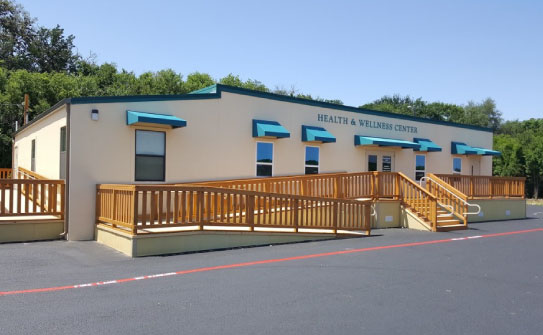
Louisiana faces unique challenges from hurricanes, flooding, and industrial demands. Businesses, schools, and industrial sites need buildings that are not only resilient but also flexible and quick to deploy.
Gulf Coast modular buildings in Louisiana provide solutions designed to keep Louisiana operations safe, efficient, and adaptable.
Regional Challenges:
- Frequent hurricanes and tropical storms threaten site-built structures.
- High humidity and moisture cause mold, corrosion, and maintenance issues.
- Industrial demands from the petrochemical, shipping, and education sectors require rapid deployment and flexible space.
- Tight project timelines where traditional construction delays can disrupt operations.
How Modular Solutions Help:
- Prefabricated units are delivered and installed quickly, minimizing downtime.
- Factory-controlled construction ensures high-quality materials that resist storms and moisture.
- Offices, classrooms, labs, and specialty buildings customized for industrial workflows.
- Modular buildings allow ongoing operations even in challenging weather conditions.
Texas Modular Buildings: Supporting Energy, Ports, & Growth
Texas’s booming energy, port, and industrial sectors require modular solutions that can keep up with rapid growth while withstanding extreme weather conditions.
Gulf Coast modular buildings in Texas deliver durable, flexible, and fast solutions that help businesses and communities stay operational in any environment.
Regional Challenges:
- Extreme weather, including heavy rain, flooding, and high winds, affects industrial and urban sites.
- Rapidly expanding energy sectors and port operations require flexible, scalable infrastructure.
- Tight deadlines for urban growth, commercial, and industrial projects, where delays are costly.
- High humidity and environmental wear can shorten building lifespans if not properly addressed.
How Modular Solutions Help:
- Modular units are designed to withstand harsh weather and humidity.
- Supports energy companies, port facilities, industrial sites, and urban expansion.
- Offsite construction reduces weather delays, keeping projects on schedule.
- Provides ready-to-use offices, mobile units, and specialty buildings to support continuous operations.
Have Questions? Get Answers.
We know there are many misconceptions surrounding modular solutions, and if you’re not familiar with the processes, you likely have some questions. Continue reading to discover answers to frequently asked questions about our modular buildings.
Modular construction is known for its sustainability, and BOXX Modular reinforces this by reducing waste, optimizing material use, and designing for adaptability and reuse. Our buildings are also developed to meet high LEED certification standards.
Understanding the challenges of traditional construction in remote areas, we provide modular solutions designed to overcome them. Our team ensures safe, reliable delivery and installation in even hard-to-reach locations.
Permits and licensing can vary greatly depending on counties, cities, and states. Local permits and licenses cover safety, structural integrity, and proper use. The approval process typically involves submitting detailed plans, specifications, and site details to the local building department.
Additionally, many states have specific programs for modular building certification. These programs involve design approvals, factory inspections, and site inspections. State agencies will typically oversee these processes, ensuring compliance with state-specific building codes.
Discover how modular buildings in the Gulf Coast can help you overcome construction challenges and keep your projects on track.
Contact our team today to learn how we can support your next project.
Ready to solve your space needs?
Modular buildings are the way to go. Request a quote or contact us today to get the conversation started. We’d love to talk to you about how modular can meet — and exceed — your needs.