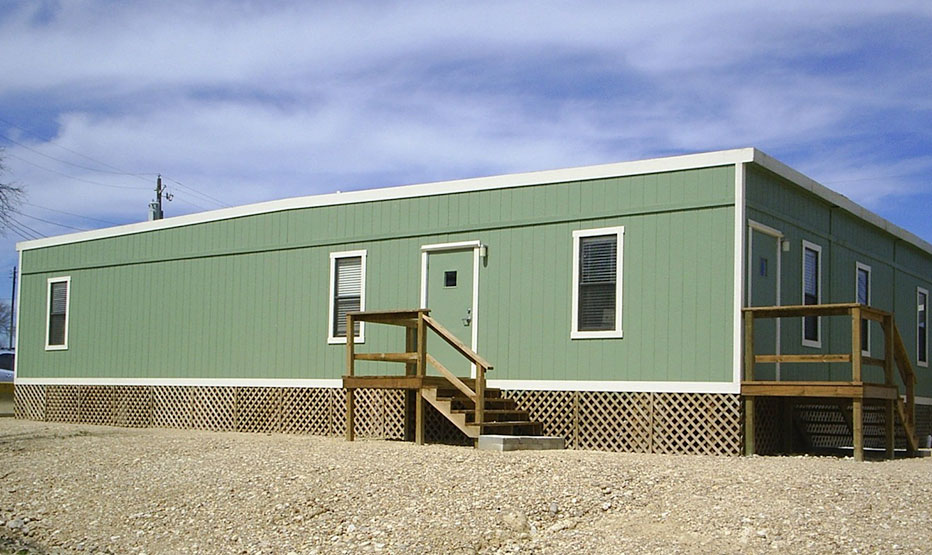
Temporary vs Permanent Modular Buildings
If you’re in the market for portable space, one of the first decisions you have to make is between temporary and permanent modular buildings. In this blog, we’ll compare temporary vs permanent modular buildings to help you make an informed choice.
Key Takeaways
- Temporary modular buildings are typically leased for short-term needs and can be easily relocated. Permanent structures are often bought for decades of use and are affixed to a concrete foundation.
- Both temporary and permanent structures meet essential building codes, plus additional standards to withstand transportation.
- Temporary modular buildings rely more on standardized layouts for quick deployment. Permanent structures offer customization, often matching the façade of existing structures.
- Both temporary and permanent modular buildings offer faster installation than traditional construction, significantly reducing on-site disruption to your business.
What Are Temporary Modular Buildings?
There are a lot of misconceptions about temporary modular buildings, so it's important to understand what the term "temporary" actually refers to. It doesn't mean the building itself is poorly constructed or designed. Instead, it refers to the type of foundation, how the structure is attached to it, and its intended use.
Unlike permanent structures, temporary modular buildings are designed to be relocated easily, making them ideal for businesses that need extra space for a short period of time, usually one to three years. Once the space is no longer needed, the building can be removed from the site with minimal disruption.
- They offer an incredibly fast solution, with buildings ready for use on-site in as little as 30 days.
- When you're done with the space, it can be easily removed, or if your needs change, you can also quickly scale up and acquire more temporary space.
- These buildings provide excellent short-term solutions, keeping your employees or students comfortable and productive during renovations or expansions.
You don't have to sacrifice quality for speed. Temporary building structures are designed and built to meet the same building codes as traditional structures.
What Are Used Temporary Modular Buildings?
When considering temporary space, used modular buildings play a vital role. Choosing a pre-owned structure offers powerful advantages in both cost and convenience.
Since these structures are already engineered and built, you avoid the high cost of new construction, making them a very affordable option. You'll pay less and won't face any initial depreciation.
Plus, because the building is already constructed, you can receive and set up your structure sooner than a new build. Used buildings also often feature shorter lease terms, providing the flexibility many temporary projects require.
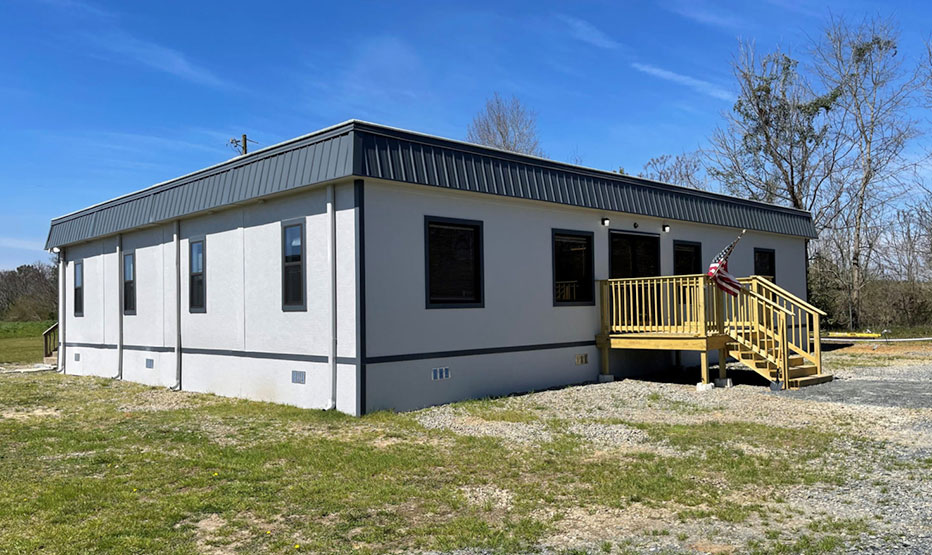
Another key benefit is the ability to finance one-time charges, such as delivery, setup, and removal fees, across your entire lease term. You get peace of mind because you can inspect your temporary modular building before you lease it, ensuring it meets your exact needs.
What Are Permanent Modular Buildings?
As the name implies, permanent modular buildings are designed for long-term use at a single location and are typically purchased, not leased. Once the contract is signed, you can generally expect to receive your permanent structure in about four months.
When considering a permanent modular building, you'll find that they offer numerous advantages over traditional construction. Here’s why your business may be best suited to a permanent structure:
- They can be built in as little as 60-90 days, potentially reducing your overall project timeline by 30% to 50%.
- With proper maintenance, they are designed to last for decades, just like conventionally-built structures.
- They can be designed to match the façades and structural details of your current buildings for a unified look.
- They are engineered to meet the exact same building codes as traditional construction, plus they must satisfy additional standards to withstand transportation.
- They can be completely customized to meet all of your organization’s unique needs and requirements.
Temporary vs Permanent Modular Buildings
Below, we’ve broken down the similarities and differences between temporary vs permanent modular buildings.
Construction & Materials
Temporary modular buildings are primarily built with wood-based materials, and their exteriors are often finished with steel. The construction process for permanent structures can utilize concrete and steel or wood for the framing.
Design & Standards
When comparing temporary vs permanent modular buildings, it’s important to know that both types are designed and manufactured to meet the same building codes as traditional structures. They also undergo inspections during construction and must meet additional standards to endure transportation to the site.
However, permanent structures have more flexibility in terms of customization. They can be designed to meet an organization's specific needs and connect seamlessly to existing buildings by matching facades and structural details.
On-Site Placement
One of the key differences between temporary vs permanent modular buildings is how they are assembled and installed on-site.
Temporary building structures are typically placed on plots of grass or parking lots and sit on decks or ramps 2 to 3 feet off the ground. Furthermore, these buildings are designed for easy disassembly. As a result, they are not attached to existing buildings, but rather connected via canopies or roof coverings.
Unlike temporary modular buildings, permanent structures are installed with longevity in mind. Upon arrival, these buildings are affixed to permanent concrete foundations, which, like traditional structures, consist of poured concrete with rebar and crushed stone. There are two types of foundations you can choose from, depending on your needs:
- On-Grade Foundations: Poured around the building perimeter, requiring a crane to set each module.
- Raised Foundations: Use concrete piers or blocks, and the modules can be set without a crane.
After placement, the modules of the permanent structures are "sewn together" to create a unified structure.
Project Timeline
Temporary building construction offers an accelerated timeline and can be on-site and ready for occupancy in as little as 30 days from the contract date. In the majority of cases, companies opt to lease temporary modular buildings, rather than buy them. We’ll get into this in more detail below.
Permanent modular construction can be completed in as little as 60-90 days, which can reduce the project timeline by 30% to 50% compared to traditional construction. Depending on the scope of work, a project may require 4 months or more from the contract date.
Costs
While prices for temporary modular buildings vary widely based on project complexity, structure type, and customization, you’ll usually pay $1-1.50 per square foot per month.
Ultimately, your building size and lease length determine the price you pay.
Like a temporary building structure, there’s no one-size-fits-all price for a permanent structure. Therefore, costs will also vary based on your project complexity, level of customization, and structure type.
For example, with a more basic, V-B type building, you may pay $50-100 per square foot. On the other hand, a fully customized building can range from $100-300+ per square foot.
Talk to our team to get an accurate amount for the cost of your project today!
Modular Building Financing Options
Now that we’ve covered the similarities and differences between temporary vs permanent modular buildings, it’s time to discuss financing options. BOXX Modular offers various purchasing and leasing options for modular structures.
If you’re not sure if leasing or purchasing is right for you, ask yourself the questions below:
If you’re not sure or will only need the space for under 3 years, you should probably lease.
If the answer is yes, you may want to buy.
Leasing is almost always more affordable for businesses on a budget. There’s also less upfront capital involved than if you purchase a building.
Leasing is a no-brainer for businesses that don’t own the property they’re located on.
Leasing a temporary structure doesn’t require perfect credit. Plus, you’re financing through a dealer, so you don’t have to go through a traditional lender.
Finance With Lease Buyout
The finance lease with a buyout option allows you to own your new modular building at the end of the lease term. You get to choose both the length of your lease (typically 24 to 72 months) and the final buyout amount upfront.
Simply make your regular monthly lease payments, and when the term ends, you can complete the purchase by paying the predetermined buyout amount, which can be as low as a few thousand dollars—or even just one dollar.
True Lease
An operating lease for a temporary modular building offers excellent flexibility alongside significant financial benefits. This arrangement ensures you can rent the space you want, on your timeline, and keep it for as long as necessary.
The monthly payments are designed to be low, helping to balance your cash flow. Your monthly rate will be based primarily on the specific building you select and your chosen lease term, which usually runs from one to five years (12 to 60 months).
Building Purchase
If you decide a permanent structure is best for your business, the quickest and most efficient option is to purchase your modular building outright.
This path combines two major advantages: the affordability of modular construction and its significantly faster delivery compared to traditional building.
By buying outright, you gain immediate ownership of your custom space in a very short amount of time, ensuring we meet all your cost and space needs.
Have Questions? Get Answers.
We know there are many misconceptions surrounding modular solutions, and if you’re not familiar with the processes, you likely have some questions. Continue reading to discover answers to frequently asked questions about our modular buildings.
Our team proudly serves and partners with many businesses and organizations in various industries, including:
- Airports
- Commercial and industrial organizations
- Education
- Banking
- Construction
- Disaster relief
- Manufacturing
- Mining
- Government
- Healthcare
- Corrections
- Worship and religious institutions
- Utilities
- Transportation
- Shipping ports
Recognizing the limitations of traditional construction in remote areas, we offer modular solutions that overcome these challenges. Our team ensures secure and reliable delivery and assembly to most locations.
Modular construction is recognized for its sustainable practices. At BOXX Modular, we prioritize this by minimizing waste, maximizing material efficiency, and promoting adaptability and reuse. We also ensure our modular buildings meet the highest LEED certification standards.
Interested in learning more?
See how our solutions can exceed your modular building needs.
Ready to solve your space needs?
Modular buildings are the way to go. Request a quote or contact us today to get the conversation started. We’d love to talk to you about how modular can meet — and exceed — your needs.