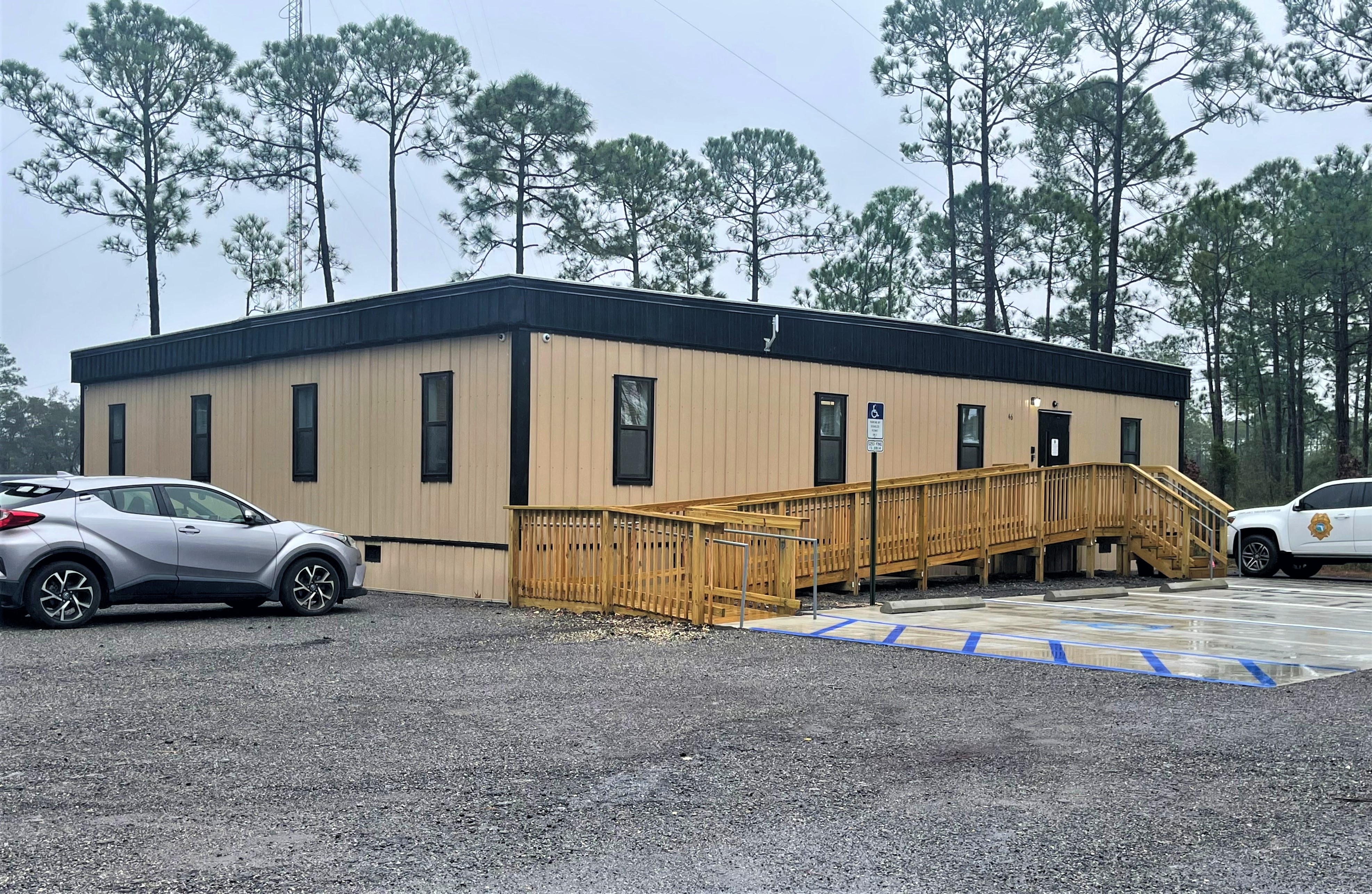
As environmental standards tighten across the U.S., construction companies are facing increasing pressure to adapt quickly and responsibly. Green modular building construction is emerging as a practical, scalable solution to help organizations meet evolving requirements without sacrificing speed, cost efficiency, or design quality.
Key Takeaways
Green modular building construction provides a streamlined path to meeting evolving environmental regulations.
New carbon tracking rules highlight the importance of recycled materials in modular construction.
Modular building waste reduction supports compliance with circular economy initiatives.
Enhanced reporting requirements make controlled, factory-based builds more advantageous.
Eco-friendly modular buildings reduce site disruptions and improve permitting outcomes.
Sustainable modular solutions offer flexibility and scalability in a rapidly changing regulatory landscape.
Understanding the New Wave of Regulations
In 2026, a growing wave of policies and sustainable construction trends is reshaping how buildings are designed, constructed, and operated. These policies represent a convergence of stricter standards focused on:
Sustainable modular solutions are uniquely suited to meet these demands since they are constructed in controlled factory environments using precise assembly-line processes that improve consistency and quality.
This level of precision allows for tighter building envelopes and better integration of insulation, systems, and finishes, resulting in energy-efficient modular offices that meet modern energy benchmarks while reducing long-term operating costs.
2. Tackling Embodied Carbon Requirements
In 2026, regulators are expanding their focus beyond operational energy to include embodied carbon. This refers to emissions generated from materials, manufacturing, and transportation. Policies are increasingly requiring:
Preference for low-carbon and recycled materials in modular construction
How modular helps:
Green modular building construction streamlines material sourcing and enables consistent use of sustainable inputs. Because production happens in a controlled environment, builders can more easily track, measure, and report carbon data. This can reduce emissions while improving the accuracy of compliance.
3. Rethinking Waste Reduction With Circular Construction
With construction waste under scrutiny, new mandates are pushing for reduction, reuse, and recycling. Traditional building methods often generate excess material waste, making compliance difficult.
How modular helps:
By contrast, one of the main environmental benefits of modular construction is that it inherently supports modular building waste reduction by shifting work to a factory setting. This allows for:
Precise material usage
Reduced landfill contributions
Improved recycling and reuse processes
These efficiencies directly contribute to the broader environmental benefits of modular construction, helping companies align with circular economy goals.
Furthermore, modular buildings can be moved to a new location, allowing customers to purchase used buildings and reuse them at their site.
4. Simplifying Environmental Reporting and Compliance
State-level laws are expanding requirements for tracking and disclosing emissions, material sourcing, and overall environmental impact. This adds new layers of documentation and accountability for builders.
How modular helps:
As mentioned before, with green modular building construction, much of the process takes place in a centralized, controlled setting. This makes it easier to:
Track materials and suppliers
Measure emissions accurately
Maintain consistent documentation
As a result, modular supports more transparent, reliable reporting, which turns compliance into a competitive advantage.
5. Minimizing Site Impact and Accelerating Approvals
Stricter oversight of land use, stormwater management, and ecosystem disruption is slowing down traditional construction approvals. Projects must now demonstrate minimized environmental impact before moving forward.
How modular helps:
Eco-friendly modular buildings help mitigate these challenges by minimizing on-site activity. With much of the work completed off-site, modular projects:
Reduce land disturbance
Lower noise and emissions
Streamline permitting and approvals
Therefore, the reduced environmental impact of modular construction is becoming a key differentiator in regulated markets.
6. Building For What’s Next With Scalable Solutions
All sustainable building regulations in 2026 reflect a broader shift toward adaptability, long-term efficiency, and reduced resource consumption across a building’s lifecycle.
How modular helps:
Green modular building construction offers flexible, scalable systems that evolve with changing requirements. These sustainable modular solutions allow organizations to:
Reduce the need for new materials and energy-intensive construction
In a regulatory environment defined by constant change, this adaptability is a major advantage.
Leading the Future of Sustainable Building Regulations
Meeting today’s regulations is only part of the challenge. Preparing for tomorrow is just as important. Companies that invest in green modular building construction are better positioned to stay ahead of shifting standards while strengthening their sustainability commitments.
From reducing emissions to improving efficiency and transparency, modular offers a comprehensive response to the demands of sustainable building regulation in 2026 and beyond.
Featured Case Study:
Modular Project of McDonough Marine Service
See how McDonough Marine Service, a family-owned company with one of the U.S.'s largest barge fleets, benefited from choosing a sustainable modular building solution.
We know there are many misconceptions surrounding modular solutions, and if you’re not familiar with the processes, you likely have some questions. Continue reading to discover answers to frequently asked questions about our modular buildings.
Following these modular building maintenance steps can help reduce service calls, prevent equipment issues, and keep your modular building in excellent condition:
Replace HVAC filters monthly (more in dusty areas) and keep ducts and air registers clear.
Report leaks from plumbing or rainwater immediately.
Inspect the roof for damage and keep gutters, drains, and snow clear.
Maintain floor coverings and check caulking around windows, doors, and siding.
Replace batteries in smoke detectors and emergency lights yearly.
Run air conditioning during off-hours to control temperature and humidity.
Costs depend on materials, interior layout, and custom features, but we can provide an estimate to compare with traditional construction.
Modular buildings offer more stable pricing, less affected by labor shortages that can increase costs and delays. For a detailed breakdown, download our How Much Do Modular Buildings Cost Guide.
Discover how sustainable modular solutions can help you stay ahead of environmental building regulations.
Modular buildings are the way to go. Request a quote or contact us today to get the conversation started. We’d love to talk to you about how modular can meet — and exceed — your needs.
Our website uses cookies. By continuing to browse our site you are agreeing to our Cookie Policy.