Not in the USA?
Switch to Canada

Temporary vs. Permanent Modular Buildings: What's the Difference?

If you're considering a modular building, one of the first decisions is whether a temporary or permanent structure is right for your project.

Both offer faster construction and less on-site disruption than traditional building, but they differ in intended use, foundations, customization, and cost. Here's how to choose the right option for your needs.


What Are Temporary Modular Buildings?

What Are Temporary Modular Buildings?

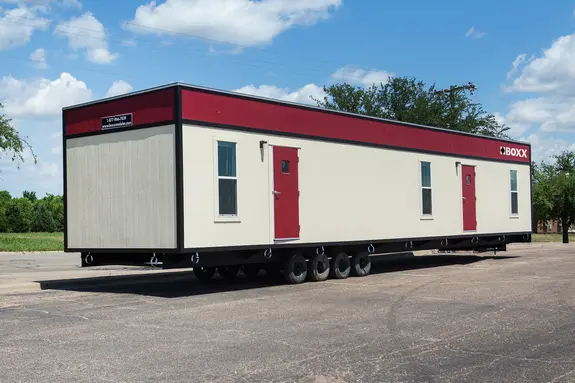
Designed for short-term space needs, typically one to three years, temporary modular buildings are ideal for renovations, expansions, and changing space requirements.

They're built for easier relocation and are commonly leased rather than purchased.

Benefits of temporary modular buildings include:

  • Fast delivery, with some buildings ready for use in as little as 30 days.
  • Flexible space that can be removed or expanded as your needs change.
  • Comfortable, functional environments for employees, students, and other occupants.
  • The same applicable building code requirements as traditional structures.
What Are Permanent Modular Buildings?

What Are Permanent Modular Buildings?

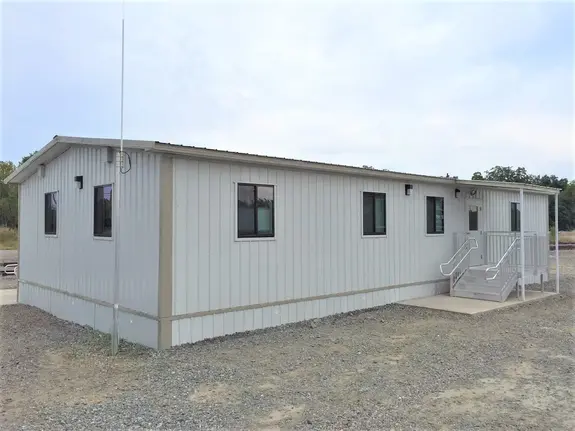
Permanent modular buildings are designed for long-term use at a single location and are typically purchased rather than leased.

They offer many of the same advantages as traditional construction, with the added efficiency of factory-based production and on-site assembly.

Benefits of permanent modular buildings include:

  • Construction in as little as 60–90 days, potentially reducing overall project timelines by 30% to 50%.
  • Long-term durability with proper maintenance.
  • Customizable designs that can match existing building façades and structural details.
  • Compliance with the same applicable building codes as traditional construction, along with additional transportation standards.
  • Flexible layouts and features to meet your organization's specific needs.

Temporary vs. Permanent Modular Buildings: Key Differences

Construction and Materials

Temporary modular buildings are primarily constructed with wood-based materials and often feature steel exterior finishes.

Permanent modular buildings can use concrete, steel, or wood framing, depending on the project's design and requirements.

Design and Building Standards

Both temporary and permanent modular buildings are designed to meet applicable building codes and undergo inspections during construction. They must also meet additional standards to withstand transportation to the job site.

The biggest difference is customization. Permanent modular buildings offer greater design flexibility and can be built to match the façades and structural details of existing structures.

On-Site Placement and Foundations

Temporary modular buildings are typically placed on grass, parking lots, or other prepared surfaces. They often sit on decks or ramps approximately 2–3 feet above ground and are designed for easier disassembly and relocation.

Permanent modular buildings are installed on concrete foundations designed for long-term use. Common options include:

  • On-Grade Foundations: Poured around the building perimeter, typically requiring a crane to position each module.
  • Raised Foundations: Use concrete piers or blocks, allowing modules to be installed without a crane in suitable configurations.

Once positioned, the modules are connected to create a unified structure.

Project Timelines

Temporary modular buildings can be delivered and ready for occupancy in as little as 30 days from the contract date.

Permanent modular buildings can be constructed in as little as 60–90 days, potentially reducing project timelines by 30% to 50% compared to traditional construction. Depending on project scope and requirements, the full process may take four months or longer.

Costs

The cost of a modular building depends on its size, type, customization, and project requirements.

Temporary Modular Buildings:

  • Typical rental rates range from $1–$1.50 per square foot per month.
  • Building size and lease length influence the overall cost.

Permanent Modular Buildings:

  • Basic V-B type buildings may cost approximately $50–$100 per square foot.
  • Fully customized buildings may range from $100–$300+ per square foot.


Find the Right Modular Building for Your Needs

Whether you need temporary space during a renovation or a permanent building for long-term operations, our team can help you find the right solutions to meet your requirements.