

Not in the USA?
Switch to Canada

Modular vs. Traditional Construction: What's the Difference?

Stick-built, or traditional construction, has long been the standard within the construction industry. However, factory-built, or modular construction, continues to grow in popularity.

So, how do modular and traditional construction compare? Understanding the key differences can help you determine which building method is right for your next project.

Weather Delays

On-site construction is susceptible to delays caused by weather, permits, and labor shortages. Rain, snow, and extreme temperatures can affect a project's timeline and budget, creating a domino effect of setbacks.

Weather conditions can also impact building materials and the quality of the finished structure:

  • Rain: Excess moisture can damage paint, cause mold in drywall and insulation, and affect brickwork. High winds and hail can also damage materials and break glass.
  • Extreme Heat: High temperatures can affect crew safety, concrete strength, paint application, and the adhesion of brick and mortar.
  • Winter Cold: Freezing temperatures can weaken concrete, brick, mortar, and grout. Paint and other materials may also freeze, potentially leading to costly damage.


How Do Modular Construction Weather Delays Compare?

How Do Modular Construction Weather Delays Compare?

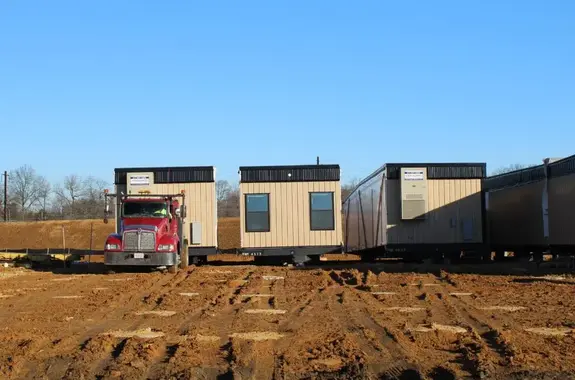
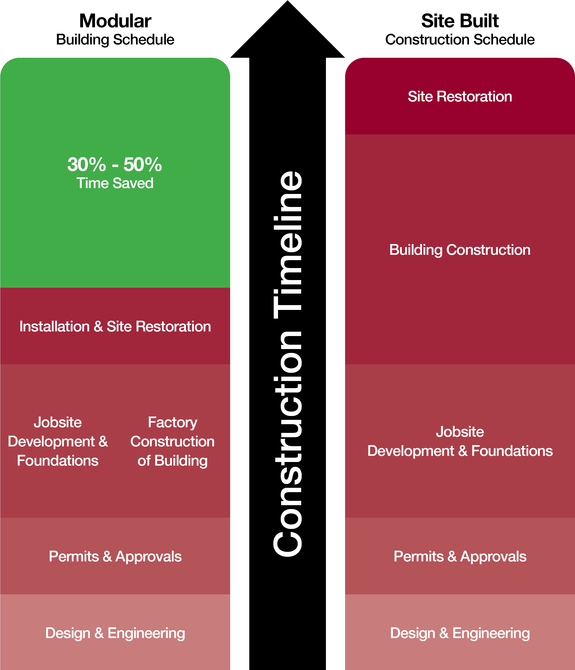
The biggest advantage of modular construction is that most production takes place in a controlled environment. This significantly reduces exposure to unpredictable weather conditions and the delays that come with them.

With fewer weather-related disruptions, projects can experience more predictable timelines and fewer unexpected costs.

Modular buildings also use the same materials as traditional construction, but factory-controlled conditions help protect those materials and support consistent building quality.
Sustainability

Modular construction offers several sustainability advantages over traditional construction. A controlled production environment allows for more efficient material use and fewer logistical errors. This means less material waste, reduced energy consumption, and less noise and air pollution.

Building Codes & Permits

Although modular and traditional construction differ in how buildings are produced, both must meet applicable building codes, permits, and inspection requirements.

A common misconception is that modular construction allows you to bypass building permits and inspections. This isn't true. Modular buildings must meet the appropriate federal, state, and local building codes to ensure they are as structurally sound as traditional, stick-built structures.

Building Permits for Modular Construction

Just like traditional construction, new modular buildings and major renovations require permits.

Requirements vary by location and project, but may include:

  • Foundation and Building Permits: Required for new construction, additions, and major structural changes.
  • Mechanical Permits: Required for heating, cooling, gas piping, and ventilation systems.
  • Electrical Permits: Required for installing or modifying electrical wiring, equipment, and lighting.
  • Plumbing Permits: Required for installing or modifying plumbing systems, including restrooms, kitchens, and sinks.

Additional permits may include road opening, water and sewer connections, and fire suppression.

Meeting Required Building Codes at an Accelerated Pace

Modular buildings must meet the same applicable building codes and inspection requirements as traditional construction. However, the factory-based process allows inspections to happen alongside production rather than relying entirely on sequential on-site approvals.

Specialized inspections take place throughout each stage of production. This allows other areas of the project to continue while one section awaits approval and helps identify potential issues earlier, reducing project disruptions.

Is the End Result Different Between a Modular and Traditional Structure?

The finished structure is relatively the same. Modular buildings use the same materials as traditional structures and can last just as long as their permanent counterparts.

Thanks to the precision of the modular construction process, buildings may also require fewer costly maintenance repairs over time.

Have Additional Questions?

Our experts are here to help you navigate the differences between modular and traditional construction. Reach out today to learn more.