1. Establish Construction Site Boundaries
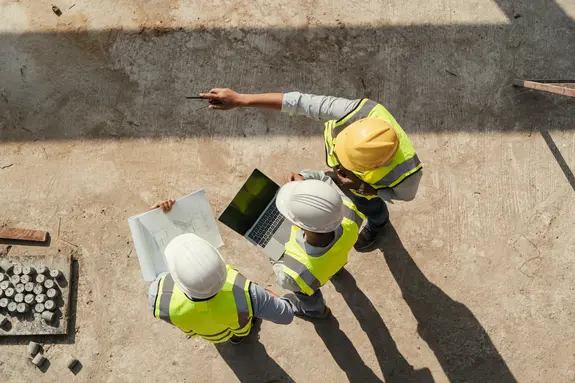
Use the architect's blueprints to mark and stake the construction area. This helps everyone understand the project boundaries and confirms there's enough space for the building and installation work.
Temporary fencing, such as chain link, boards, or wire mesh, can also help define the perimeter and prepare for site security.
2. Run Soil Tests
Soil tests determine whether the ground can support the building's foundation and necessary construction activities, including excavation and concrete pouring.
Testing can also identify potential soil contamination from substances like lead, arsenic, and other toxins. An environmental engineer typically collects samples, evaluates the results, and provides recommendations if needed.
3. Perform Ground Scans
Ground scans help identify underground utilities and potential hazards that may not be visible from the surface.
An environmental engineer can locate items such as old wells, shafts, electrical cables, and gas or water lines. Marking these areas with flags, spray paint, or stakes helps prevent accidents during construction.
4. Ensure Utility Access for Team Members
Make sure construction teams have access to the utilities needed to keep the project running efficiently. Depending on your site's needs, these may include electricity, water, phone service, and internet access.
5. Set Up an On-Site Construction Office
An on-site office gives project managers a dedicated space for meetings, administrative work, and organizing important project documents.
Depending on the size and length of your project, this could be a small, single-room office or a larger structure with multiple workspaces.
6. Create a Traffic Management Plan
Develop a plan that allows vehicles and pedestrians to move safely around the construction site.
Your plan should include designated routes, clear signage, strategies for separating pedestrians and construction vehicles, and measures to improve visibility and minimize unnecessary vehicle movement.
7. Designate a Materials Storage Area
Identify a level, well-drained, and accessible area for storing construction materials and modular units before assembly.
Choosing a protected location helps prevent damage and keeps materials organized, so they're ready when installation begins.
8. Designate a Waste Management Area
Set aside a designated area for construction waste to keep the site organized and simplify cleanup.
Use separate receptacles for materials that can be salvaged, recycled, or disposed of as non-hazardous waste.
9. Set Up Site Security
Secure the construction site during and after working hours to protect equipment, materials, and anyone nearby.
Install locks, fencing, and hazard signage to prevent unauthorized access. Security cameras and alarm systems can provide additional protection when the construction team leaves for the day.