

Not in the USA?
Switch to Canada
  • Modular Buildings

Temporary vs Permanent Modular Buildings
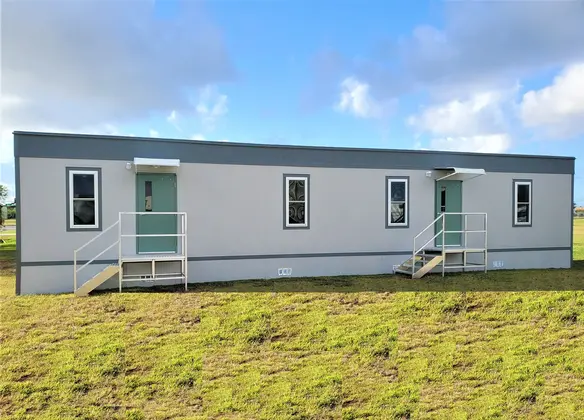
Temporary vs Permanent Modular Buildings
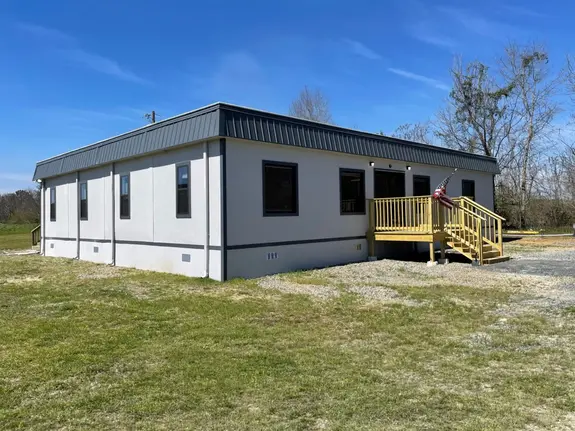
If your business needs additional space, you may be considering a modular building. But can modular buildings be used as temporary facilities, or are they designed for permanent use? The answer is both.

Key Takeaways:

  • Temporary modular buildings are typically leased for short-term needs and can be easily relocated. Permanent structures are often bought for decades of use and are affixed to a concrete foundation.
  • Both temporary and permanent structures meet essential building codes, plus additional standards to withstand transportation.
  • Temporary modular buildings rely more on standardized layouts for quick deployment. Permanent structures offer customization, often matching the façade of existing structures.
  • Both temporary and permanent modular buildings offer faster installation than traditional construction, significantly reducing on-site disruption to your business.

Can Modular Buildings Be Temporary or Permanent?


Yes., modular construction can be used to create both temporary and permanent buildings.

The main difference is how the building is designed, installed, and intended to be used. Temporary modular buildings are generally designed to provide space for a limited period and can be relocated when they are no longer needed. Permanent modular buildings are designed for long-term use at a specific location and are typically installed on a permanent concrete foundation.

Importantly, temporary does not mean lower quality or less durable. Both temporary and permanent modular buildings are designed to meet applicable building codes and must meet additional requirements for transportation.

Let's take a closer look at each type.

What Are Temporary Modular Buildings?

What Are Temporary Modular Buildings?

Temporary modular buildings are structures designed to provide additional space for a limited period. They are commonly used by businesses, schools, and organizations that need extra room without committing to a permanent building.

These buildings are typically leased rather than purchased and are designed to be removed or relocated when space requirements change. Temporary modular buildings are often used for one to three years, although lease terms and project needs can vary.
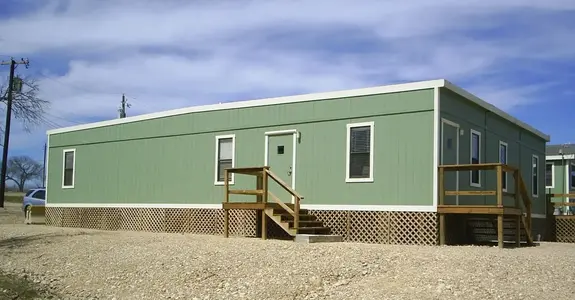
Common Uses for Temporary Modular Buildings


Temporary modular buildings can support a variety of short-term space requirements, including:

  • Office Space: Provide additional work areas for construction teams, project managers, and administrative staff.
  • Education: Add temporary classrooms while schools undergo renovations or accommodate growing student populations.
  • Healthcare: Create additional space for patient services, administrative operations, or temporary medical facilities.
  • Commercial and Industrial Operations: Expand workspace during facility upgrades, construction projects, or periods of increased demand.
  • Disaster Recovery: Restore essential operations while a damaged building is repaired or replaced.

Used modular buildings are another option for businesses looking for temporary space. Because these structures have already been manufactured, they can often be made available sooner than a newly constructed building.

Choosing a used modular building can also be a cost-effective alternative to ordering a new structure. Depending on availability and project requirements, pre-owned buildings may offer shorter lead times and flexible lease terms.

What Are Permanent Modular Buildings?

What Are Permanent Modular Buildings?

Permanent modular buildings are designed for long-term use at a specific location. They are typically purchased and installed on a permanent concrete foundation, making them a lasting addition to a property.

Permanent structures offer great flexibility in architectural design, layout, exterior finishes, and building features. They can be customized to meet specific operational requirements and designed to complement existing buildings.

Permanent modular construction is suitable for businesses and organizations that need a long-term facility but want an alternative to traditional on-site construction.

Common Uses for Permanent Modular Buildings


Permanent modular buildings can serve many of the same purposes as conventionally constructed facilities, including:

  • Office Buildings: Create administrative offices, corporate workspaces, and multi-room office facilities.
  • Educational Facilities: Add permanent classrooms, libraries, laboratories, and other school buildings.
  • Healthcare Facilities: Develop medical offices, clinics, laboratories, and specialized healthcare spaces.
  • Industrial Facilities: Provide scale houses, control rooms, employee facilities, and operational buildings.
  • Commercial Buildings: Create customized facilities for retail, customer service, and other business operations.

Should You Lease or Buy a Modular Building?

Once you've determined whether a temporary or permanent modular building is right for your project, the next step is deciding how to finance it.

Finance Lease with a Buyout Option

A finance lease with a buyout option allows you to lease a new modular building while retaining the option to purchase it at the end of the lease term.

Lease terms are typically 24 to 72 months, with the buyout amount established at the beginning of the agreement. Once the lease ends, you can purchase the building by paying the predetermined amount, which may be as low as a few thousand dollars or even one dollar.

This option can be useful for organizations that want to spread out the initial cost while working toward ownership.

True Lease

A true lease is a flexible option for businesses that need temporary modular space without purchasing the building.

Lease terms typically range from one to five years, and monthly payments are based on factors such as the building selected and the length of the lease. At the end of the lease, you can arrange for the building to be removed or explore other options based on your changing space requirements.

Outright Building Purchase

If you need a permanent modular building for long-term use, purchasing the structure outright may be the most straightforward option. Buying a modular building gives your organization ownership of the facility and allows you to customize it around your operational needs. 

How to Choose the Right Modular Building


Not sure whether a temporary or permanent modular building is the best fit? Start by considering a few important factors:

  1. How long will you need the space? If you need additional space for a construction project, renovation, or temporary increase in demand, a temporary modular building may be the right choice. If you're planning a long-term facility, consider permanent modular construction.
  2. Will you need to relocate the building? If your operations may move to another location, a temporary modular building offers greater flexibility. Permanent modular buildings are designed to remain at one site.
  3. What is your budget? Leasing can help spread out the cost of temporary space, while purchasing may make more sense for a long-term facility. Consider the full project cost, including delivery, installation, site preparation, and removal if applicable.
  4. Do you own the property? Property ownership and site requirements can influence which type of modular building is suitable for your project. Foundation requirements, permitting, and local building codes should be considered early in the planning process.
  5. How customized does the building need to be? If you need a specific floor plan, architectural appearance, or specialized features, a permanent modular building may offer more design flexibility.

The right solution ultimately depends on your timeline, budget, location, and operational requirements.